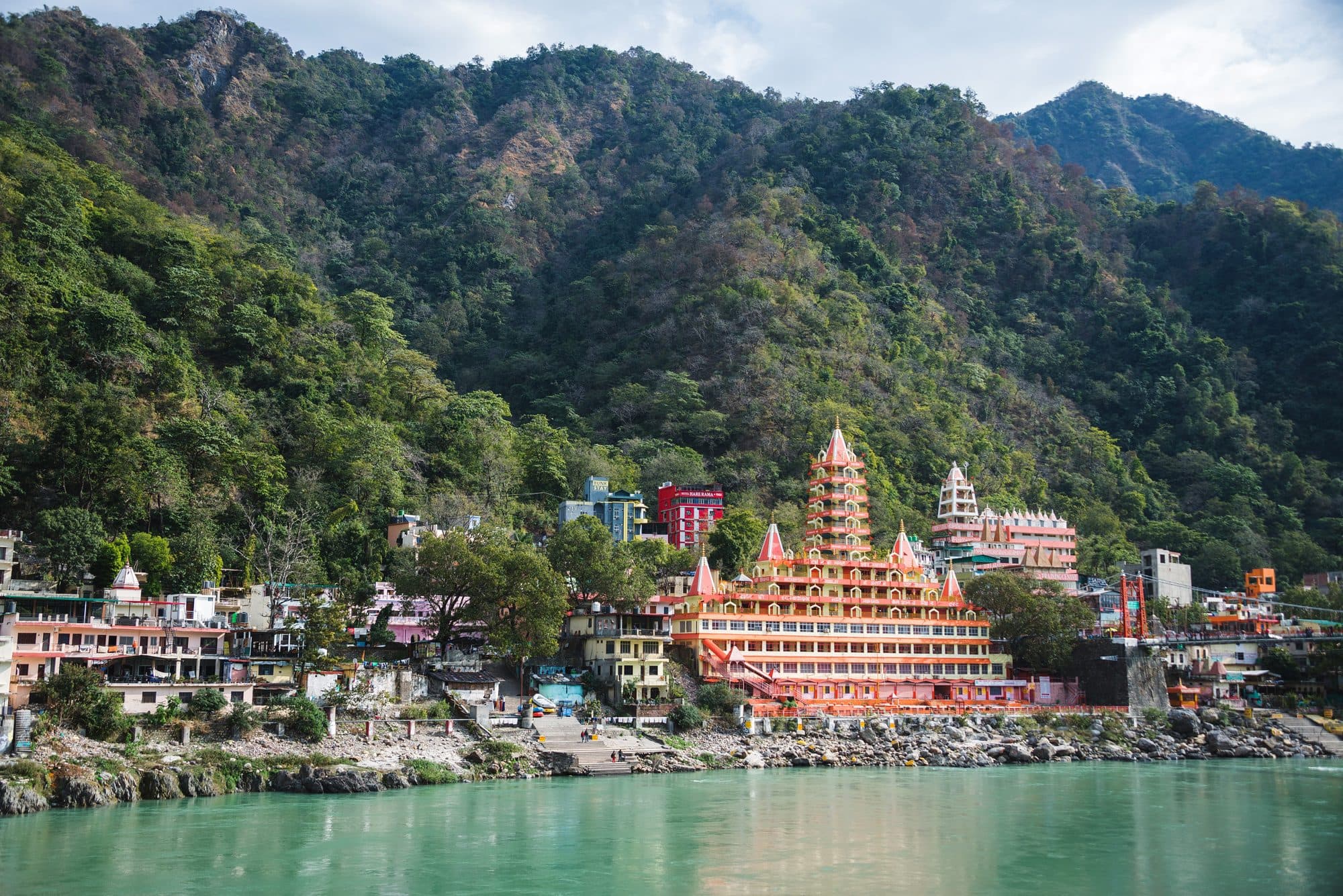
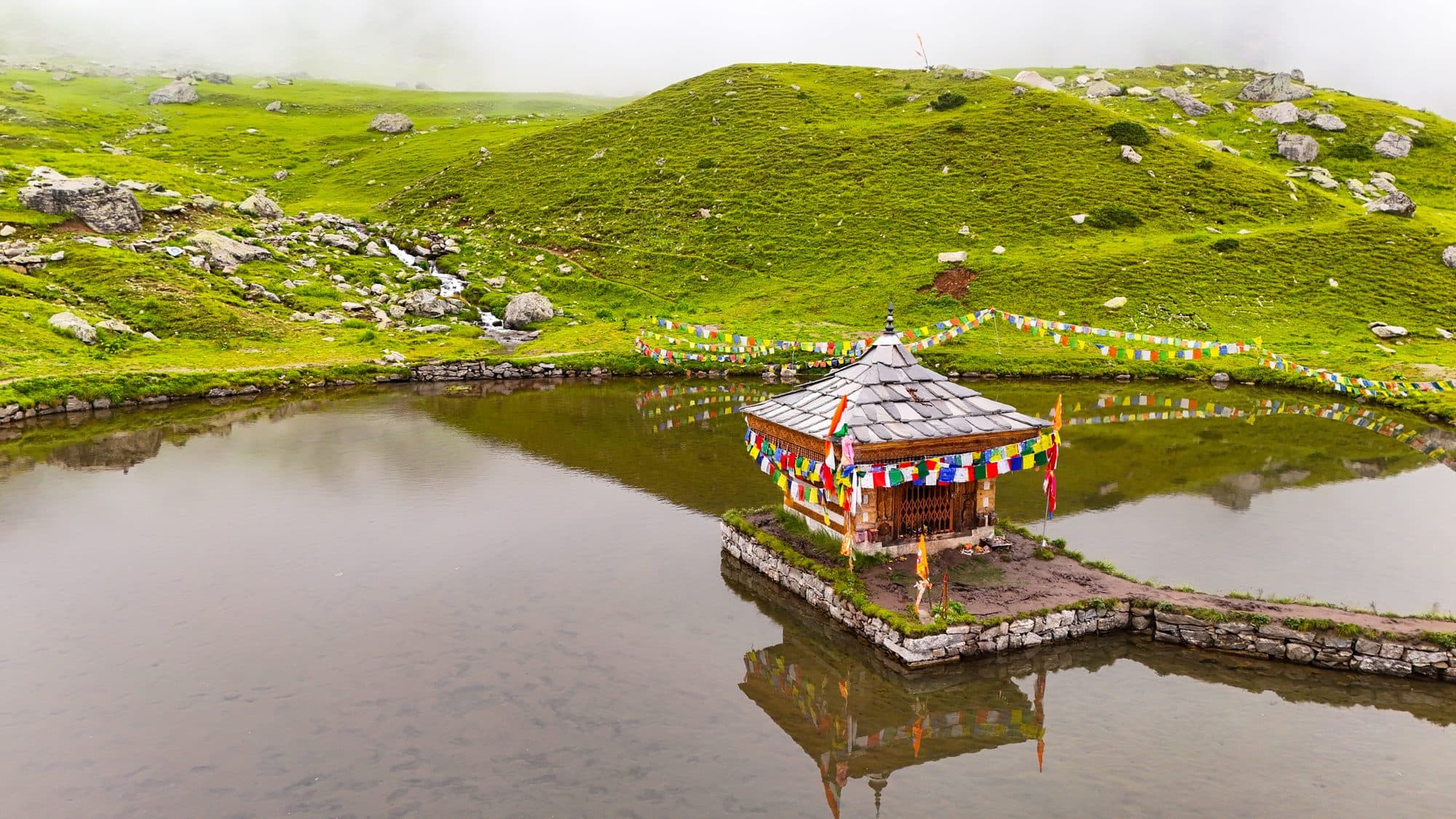
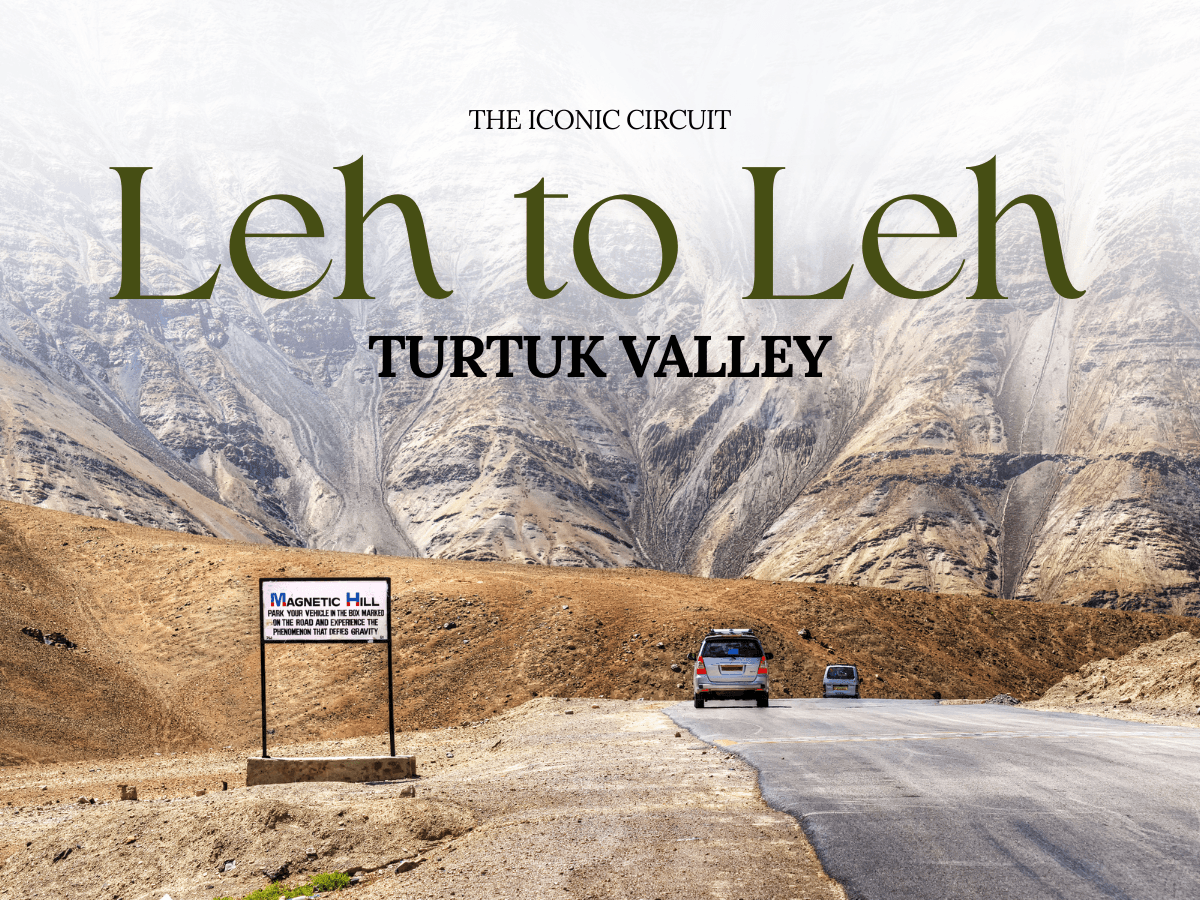
Pick Ladakh if you want the big-ticket sights (Khardung La, Nubra's dunes, Pangong Lake) and can fly in and rest for two days. Pick Spiti if you want a quieter, rawer valley you can reach by road from Delhi, or if you are travelling in winter. Both are high-altitude cold deserts with Buddhist monasteries and long drives, and we run trips to both, so this is an honest side-by-side rather than a sales pitch.
Quick verdict
- First Himalayan trip, summer, limited leave: Ladakh. Flying into Leh saves days, the sights are famous for a reason, and the tourist set-up is bigger.
- Winter trip: Spiti. Our Winter Spiti trip is built for it; winter Ladakh is possible but is a much more specialised kind of trip.
- Tight budget, starting from Delhi: Spiti. Our Spiti price already includes the bus from Delhi; for Ladakh you add flights.
- Wants big passes, bikes and lakes: Ladakh, on our Leh to Leh trip.
Spiti vs Ladakh at a glance
| Spiti | Ladakh | |
|---|---|---|
| Where | Lahaul and Spiti district, Himachal Pradesh | Union Territory of Ladakh |
| Main town | Kaza, about 3,650–3,800 m | Leh, about 3,524 m |
| Best months | June to October by either road; winter trips via Kinnaur only | May/June to September/October; Leh reachable by air all year |
| How you get there | By road only: Shimla–Kinnaur (open most of the year) or Manali–Kunzum (summer only) | Fly into Leh, or drive via Srinagar or Manali in season |
| Highest point on our trip | Komic village, about 4,587 m | Chang La, about 5,360 m, and Khardung La, about 5,359 m |
| Permits for Indians | None | No inner line permit since 2021; environment and related fees paid online |
| Our trip from | ₹16,999 (Winter Spiti, 6N/7D from Delhi, bus included) | ₹18,999 (Leh to Leh, 6N/7D, flights not included) |
| Feel | Villages, monasteries, very few crowds | Grand passes, lakes, dunes, busier in peak season |
Season, access and permits
This is the biggest practical difference.
Spiti is road-only. The Manali approach through the Atal Tunnel and over Kunzum Pass (about 4,551 m) is normally open only from around June/July to October/November. In 2026 BRO cleared Kunzum in the second half of May. The Shimla–Kinnaur approach along the Sutlej stays open through most of the year, with short closures after heavy snow or landslides. That is why winter Spiti trips always go via Shimla, and why you can still reach Spiti by road in December or January.
Ladakh has an airport. Leh's Kushok Bakula Rimpochee Airport has daily flights from Delhi, so you can be in Leh within hours. The roads are seasonal: the Leh–Manali highway is usually open from about late May or June to October or November (in 2026 BRO connected it on 12 May), and the Srinagar–Leh road over Zojila usually opens earlier in spring. Exact dates move every year with the snow.
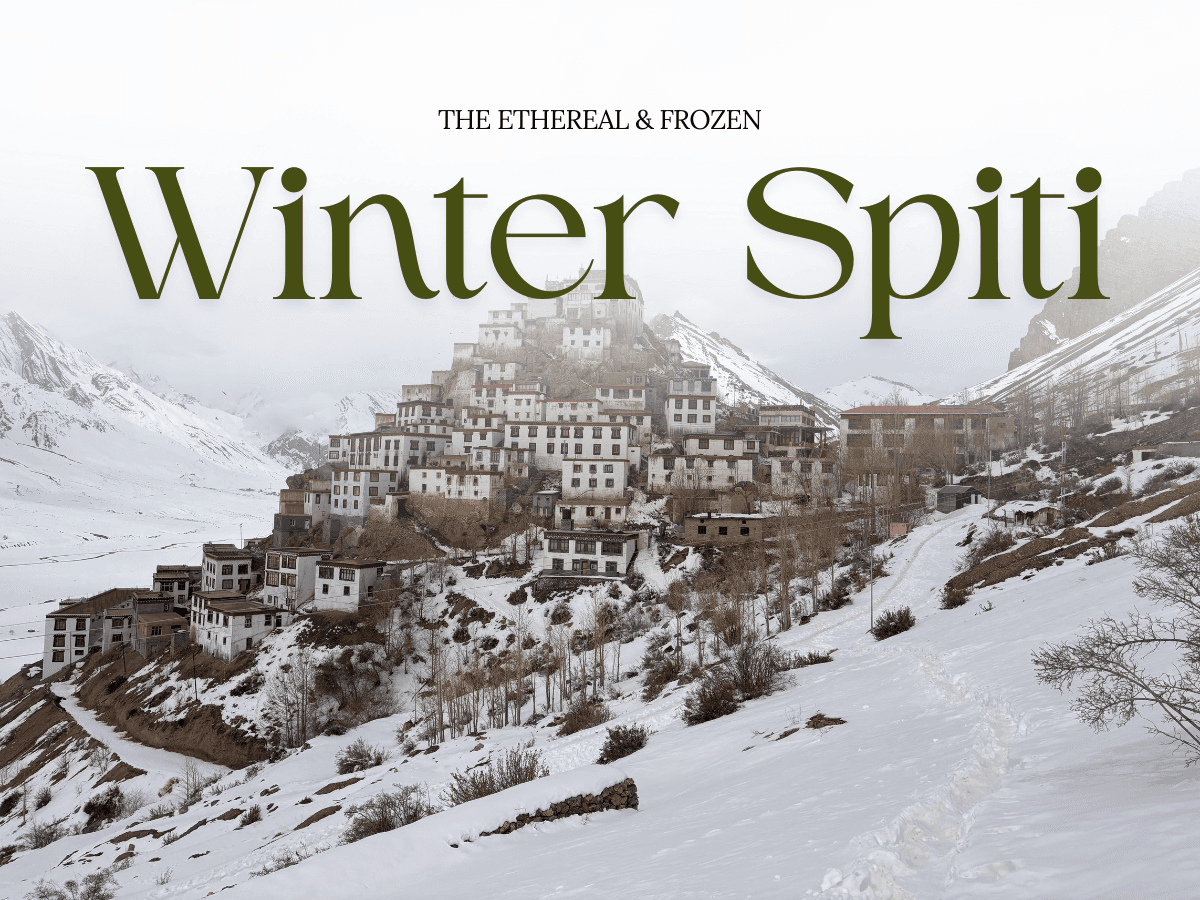
Winter specifically. Spiti in winter is an established, if tough, trip by road. Ladakh in winter means flying in to temperatures that regularly drop below −10°C at night in Leh (records go below −28°C), a frozen Pangong Lake, and fewer services open. It's a great experience for the right person, but it's a different trip from the summer Ladakh most people picture. If you're searching "Spiti vs Ladakh in winter", Spiti is usually the easier answer. Read our winter Spiti trip guide for what that involves.
Permits
- Spiti: Indian citizens don't need any inner line permit for Kinnaur or Spiti. Carry a photo ID. Foreign nationals need a permit for the protected stretch around Nako, Tabo and Kaza.
- Ladakh: The inner line permit for Indian tourists was scrapped in 2021. Instead, visitors pay a set of fees (an environment fee, a Red Cross contribution and a wildlife fee) online through the Leh district's permit portal before visiting areas like Nubra and Pangong. Guides in 2026 put the total at a few hundred rupees for a week-long trip; check the official portal for current amounts. Foreign nationals still need a Protected Area Permit.
Both our trips include the inner line permits the route needs.
Altitude and acclimatisation
Both destinations are high, and both can cause acute mountain sickness (AMS).
- Spiti via Kinnaur climbs slowly. On our route you sleep at Sangla, then Tabo (about 3,050 m), then Kaza, which gives your body time. The highest points are day visits: Hikkim (about 4,440 m) and Komic (about 4,587 m).
- Ladakh by air is a sudden jump from the plains to about 3,500 m. The Leh district administration asks every tourist arriving in Leh to rest for at least 48 hours before heading to higher places such as Khardung La or Pangong. Our Leh to Leh itinerary keeps the first day for rest and the second for easy local sightseeing in Leh. Then comes Khardung La, at about 5,359 m by modern surveys (signboards on the pass show a higher figure), and Chang La on the way back from Pangong.
Bottom line: Ladakh's highest points on our trip are roughly 750 m higher than Spiti's, and the arrival is more abrupt. Spiti's challenge in winter is the cold rather than the height. Either way, talk to your doctor before going, especially about altitude medicine.
Cost and trip length
Here is what our two trips cost, straight from our current pricing. GST at 5% is added to every tier.
| Winter Spiti | Leh to Leh | |
|---|---|---|
| Duration | 6 nights / 7 days | 6 nights / 7 days |
| Starts and ends | Delhi (AC bus to Shimla and back) | Leh (arrive in Leh; ends with a drop at Leh airport) |
| Price from | ₹16,999 quad sharing | ₹18,999 in a sitting coach |
| Other options | ₹17,999 triple, ₹18,999 dual | ₹22,999 on a Royal Enfield Himalayan with pillion, ₹27,999 solo rider |
| Meals | 12 meals | Meals as listed in the itinerary |
| Not included | GST, extra food and drinks, insurance, tickets outside the plan, costs from road closures | GST, flights or rail fares, early check-in, meals not listed, monument entry and parking during sightseeing, costs from delays or cancellations |
The real difference is getting there. Winter Spiti's price covers transport from Delhi. Leh to Leh starts in Leh, so add your return flights to Leh, which vary a lot by season and how early you book. Our Leh Ladakh trip cost guide breaks down the full budget including flights.
On calendar days, both take roughly a week. Winter Spiti runs from a Friday night bus out of Delhi to the bus back from Shimla the next Friday. Leh to Leh is 7 days on the ground in Ladakh, plus your flights.
A week on each trip
Seeing the two itineraries side by side makes the difference in pace clear.
Winter Spiti (from Delhi):
- Friday night: AC bus from Delhi to Shimla
- Day 1: Shimla to Sangla in Kinnaur
- Day 2: Chitkul, then Khab and Nako, night in Tabo
- Day 3: Tabo Monastery and caves, Dhankar, night in Kaza
- Day 4: Key Monastery and Chicham Bridge
- Day 5: Hikkim, Komic and Langza
- Day 6: Kaza to Kalpa via Gue Monastery
- Day 7: Kalpa to Shimla, overnight bus to Delhi
Leh to Leh (from Leh):
- Day 1: Arrive in Leh and rest
- Day 2: Leh sightseeing: Sangam, Gurudwara Pathar Sahib, Magnetic Hill, Hall of Fame, Shanti Stupa
- Day 3: Over Khardung La to Nubra Valley
- Day 4: Day trip to Turtuk and back to Nubra
- Day 5: Diskit Monastery, then on to Pangong Lake
- Day 6: Over Chang La back to Leh, with Shey Palace and Thiksey Monastery on the way
- Day 7: Drop at Leh airport
Spiti spends more of its week driving in and out, because it starts in Delhi. Ladakh packs more sights into its days on the ground, but you give up a day to rest at the start and you have to reach Leh on your own.
On stays: in winter Spiti most hotels close, so nights are mostly in village homestays with basic food. On our Leh to Leh trip you stay in hotels in Leh, camps or cottages in Nubra and Pangong, and homestays, on double, triple or quad sharing, with a double room available for an extra charge and a complimentary bonfire night.
Landscapes and culture
Both are Buddhist-influenced high deserts, but they feel different.
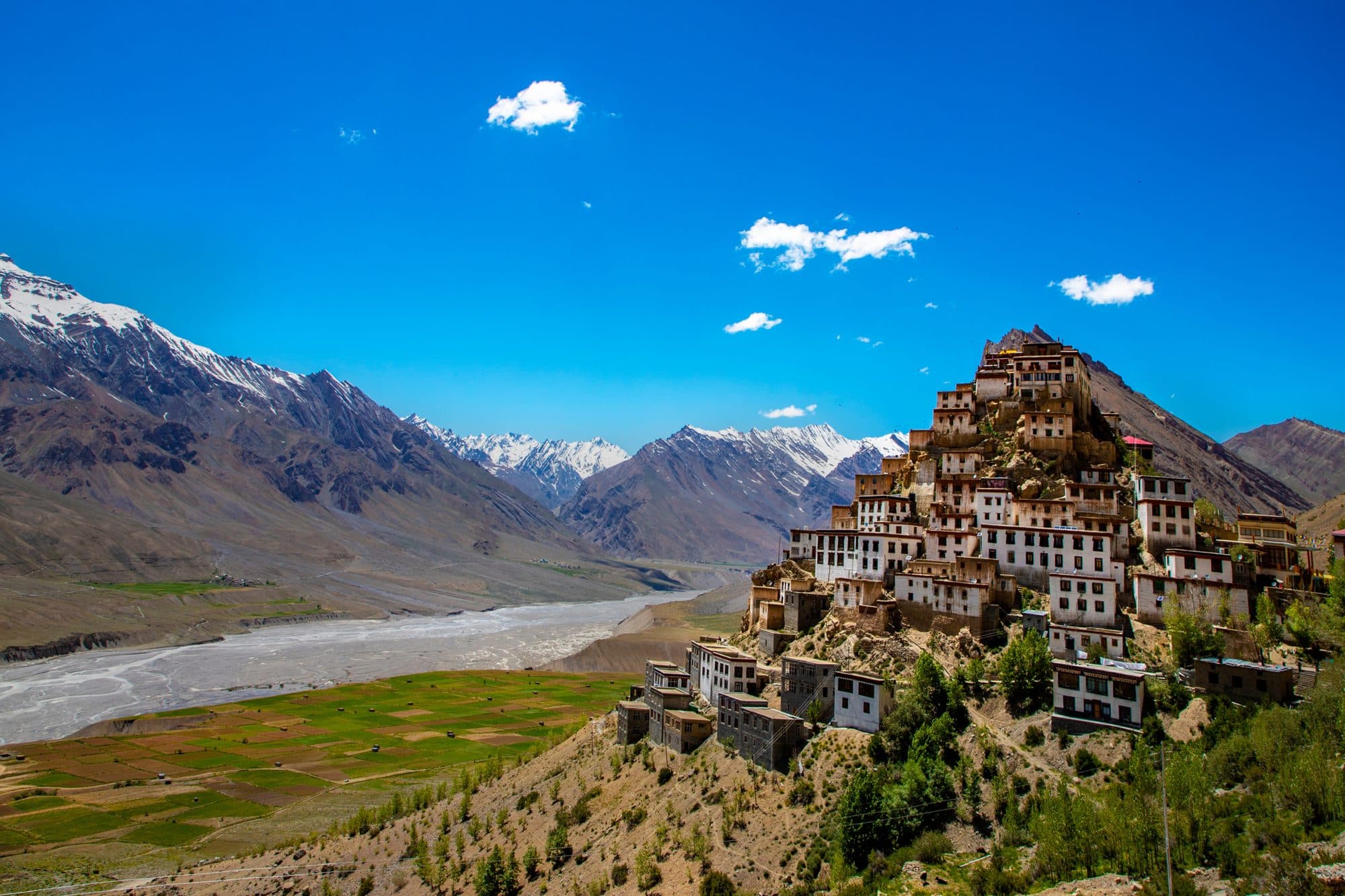
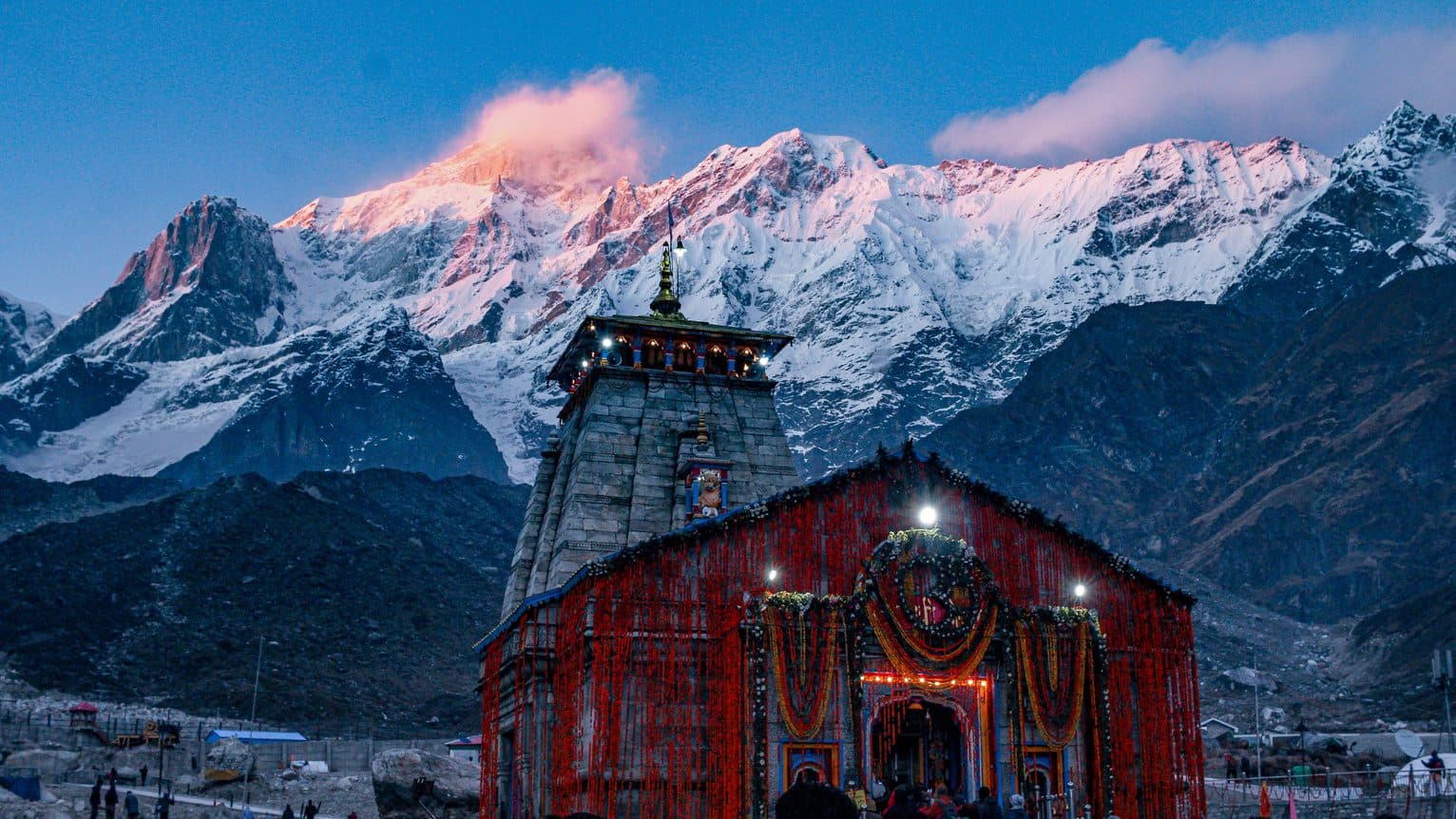
Spiti is intimate. Villages like Langza, Komic and Hikkim are small clusters of whitewashed houses on huge bare slopes. The monasteries are the headline: Tabo, founded in 996 CE and still active; Key, on its hill above the river; and Dhankar, hanging off a ridge. Chitkul and Kalpa in Kinnaur add apple orchards, wooden houses and views of the Kinnaur Kailash range. Fewer people come, especially in winter.
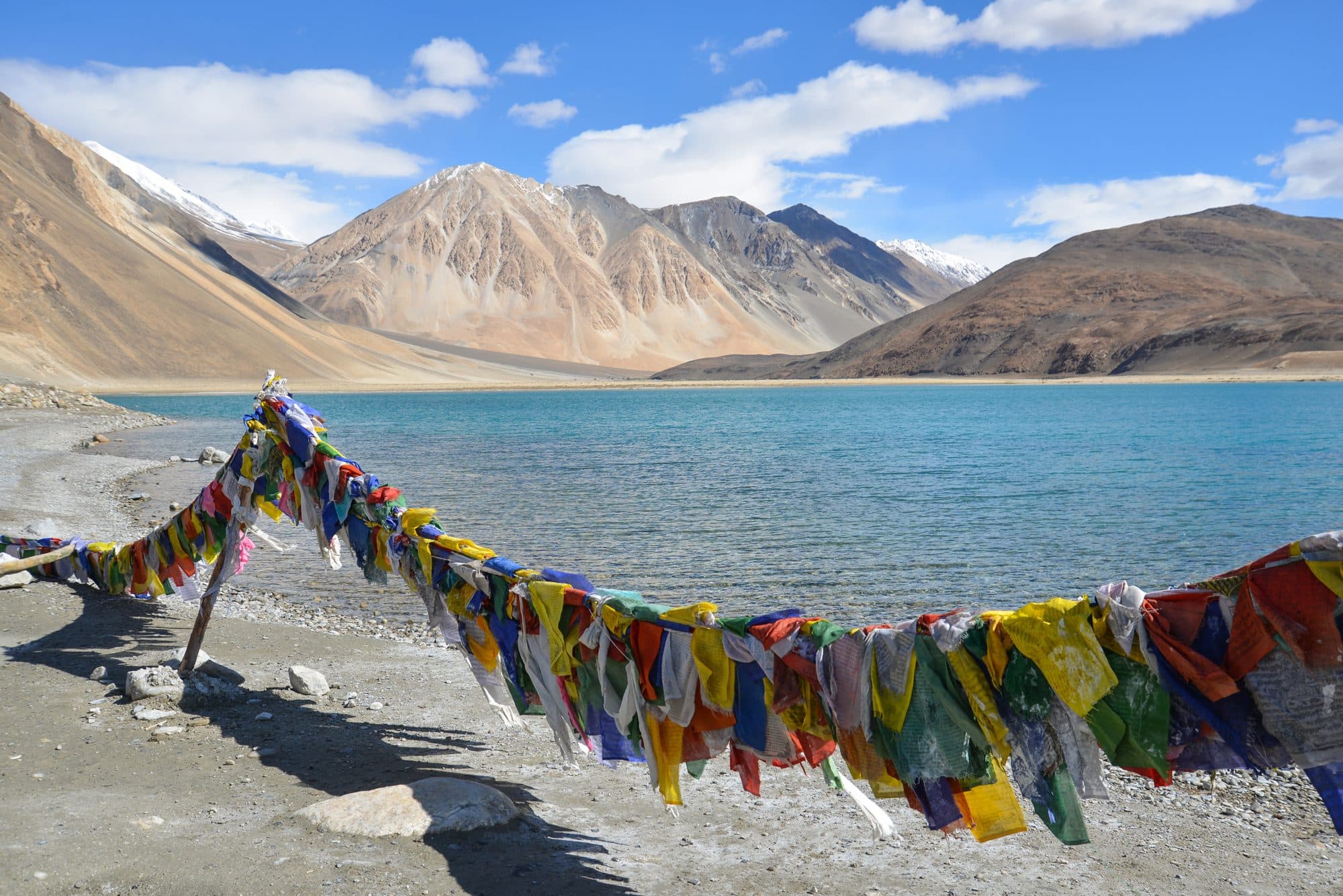
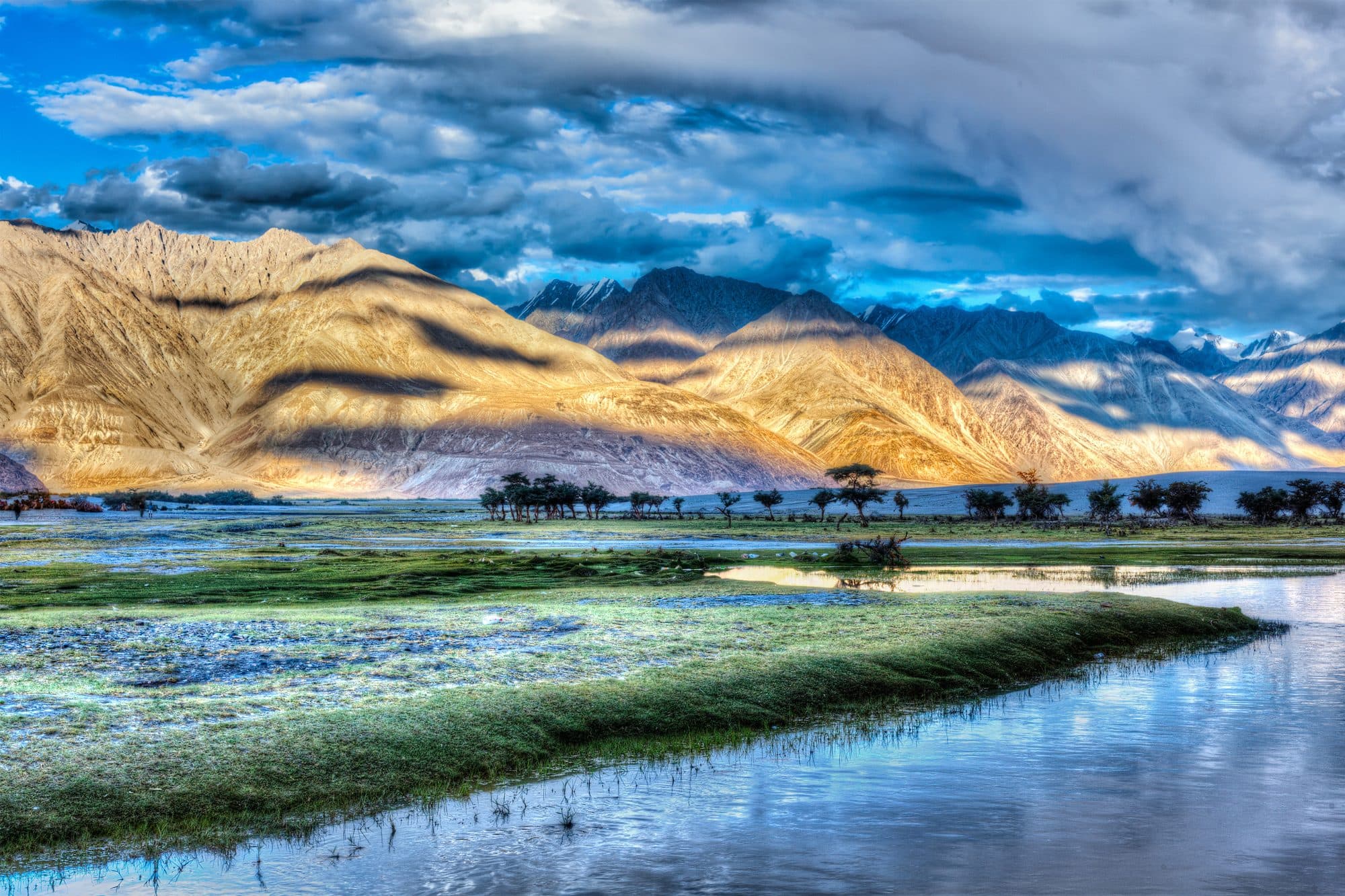
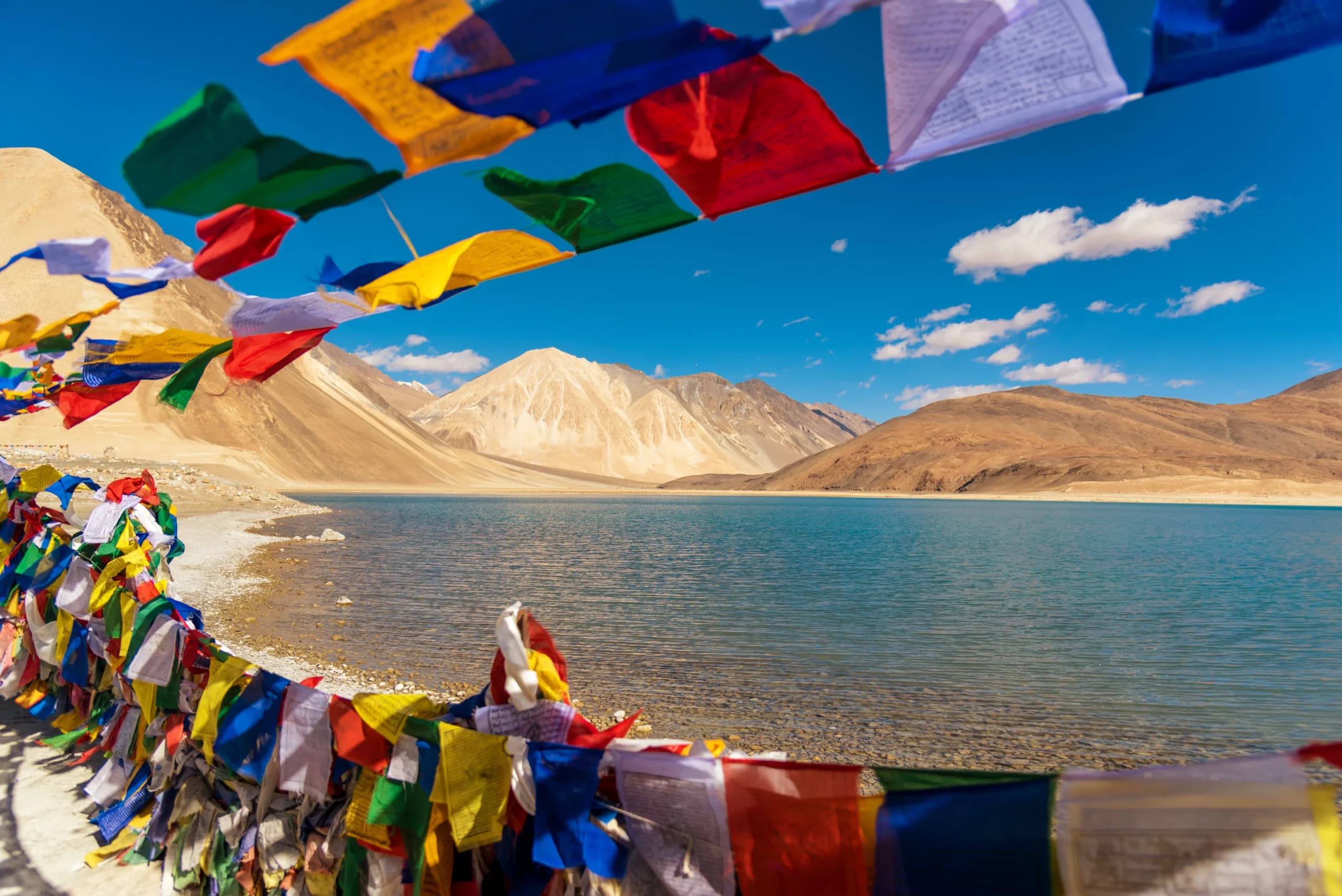
Ladakh is bigger in every direction. Khardung La and Chang La are among the highest road passes in India. Nubra has sand dunes at Hunder with double-humped Bactrian camels, and Diskit Monastery has a 32 m Maitreya Buddha statue. Turtuk, opened to tourists in 2010, is a Balti village of apricot orchards near the Line of Control. Pangong Lake, at about 4,300 m, stretches 134 km, with about two-thirds of it on the Chinese side. Leh itself has cafés, markets, Shanti Stupa and the old palace. In peak season it is also much busier.
Difficulty
Neither trip involves trekking; both involve long days in a vehicle at altitude.
- Summer Ladakh (our Leh to Leh): moderate. The main risk is altitude, especially if you skip rest. Hotels, camps and cottages, with a bonfire night. Biking adds effort, cold and dust, so choose the Royal Enfield options only if you're a confident rider on mountain roads.
- Winter Spiti: hard. Night temperatures commonly fall between −15°C and −30°C, most hotels close so stays are village homestays with limited water and often no running water in bathrooms, and snow can close roads for a day.
- Summer Spiti: moderate, similar to summer Ladakh but with rougher roads and simpler stays.
Who should pick which
Pick Spiti if you:
- want to travel in winter, or want snow rather than summer sun
- would rather start by road from Delhi than book flights
- like small villages, old monasteries and quiet over famous viewpoints
- can handle basic stays and very little water in winter
Pick Ladakh if you:
- have limited leave and want to fly in
- want the famous sights: Khardung La, Nubra, Turtuk, Pangong
- want to ride a Royal Enfield on high passes
- are going in the main summer season and prefer more choice of stays and cafés
Consider neither just yet if you have heart or lung conditions, are pregnant, or have never been above 2,500 m and are nervous about it. Speak to a doctor first, or start with one of our weekend trips from Delhi to see how you handle the hills.
Still undecided? See dates and full itineraries on our Winter Spiti and Leh to Leh pages, or contact us and we'll help you pick.
FAQs
Spiti or Ladakh for a first Himalayan trip?
In summer, Ladakh is usually easier for a first trip: you fly in, rest for two days, and the route and stays are well set up. In winter, Spiti is the more practical choice by road.
Is Spiti cheaper than Ladakh?
Usually, once you count transport. Our Winter Spiti trip starts from ₹16,999 including the bus from Delhi. Our Leh to Leh trip starts from ₹18,999 but doesn't include flights to Leh. Both add 5% GST.
Which is better in winter, Spiti or Ladakh?
For most people, Spiti. The Shimla–Kinnaur road stays open most of the winter, and winter Spiti trips are well established. Winter Ladakh is possible by air, but it is bitterly cold and fewer services stay open.
Which has higher altitude?
The towns are similar: Kaza and Leh both sit around 3,500–3,800 m. The highest points differ: on our trips, about 4,587 m in Spiti versus about 5,360 m at Chang La in Ladakh.
Do I need permits for Spiti or Ladakh?
Indian citizens need no permit for Spiti. For Ladakh, Indians pay environment and related fees online instead of the old inner line permit. Foreign nationals need permits for both. Our trips include the inner line permits the route needs.
Can I do Spiti and Ladakh in one trip?
Only in summer, when the Manali–Kaza and Manali–Leh roads are both open, and it takes a lot longer than a week. Our trips cover each on its own.
Sources
- Wikipedia, Leh: https://en.wikipedia.org/wiki/Leh
- Wikipedia, Kaza, Himachal Pradesh: https://en.wikipedia.org/wiki/Kaza,_Himachal_Pradesh
- Wikipedia, Spiti Valley: https://en.wikipedia.org/wiki/Spiti_Valley
- Wikipedia, Kunzum Pass: https://en.wikipedia.org/wiki/Kunzum_Pass
- Wikipedia, Khardung La: https://en.wikipedia.org/wiki/Khardung_La
- Wikipedia, Chang La: https://en.wikipedia.org/wiki/Chang_La
- Wikipedia, Pangong Tso: https://en.wikipedia.org/wiki/Pangong_Tso
- Wikipedia, Diskit Monastery: https://en.wikipedia.org/wiki/Diskit_Monastery
- Wikipedia, Tabo Monastery: https://en.wikipedia.org/wiki/Tabo_Monastery
- District Leh, 48-hour acclimatisation advisory: https://leh.nic.in/48-hours-acclimatization-for-tourists-arriving-in-leh/
- LAHDC Leh permit portal: https://lahdclehpermit.in
- District Kinnaur, Tourist Guidelines: https://hpkinnaur.nic.in/tourism-guide/
- Climates to Travel, Leh climate: https://www.climatestotravel.com/climate/india/leh
- Manali–Leh highway status 2026: https://discoverwithdheeraj.com/manali-leh-highway-status/
Last checked: September 2026.